Start your plan
AboutBlogStart your plan
Start your plan

Library / Living Well at Home

Making Your Home Age-Ready, Room by Room
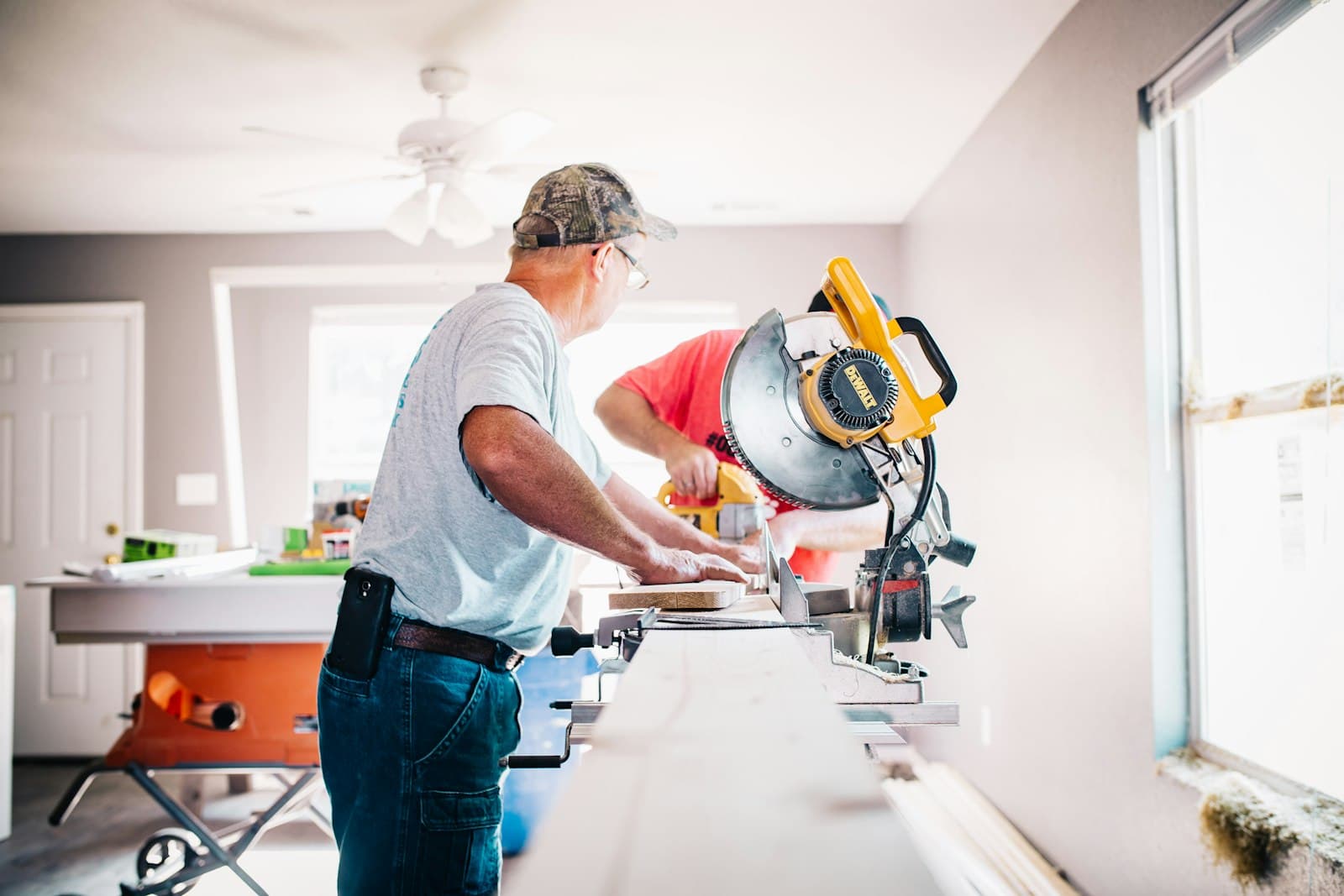
A man in his 50s cutting wood with a miter saw for a home project

By Stephanie Cheney, Founder & CEO, Licensed Insurance Agent | Last reviewed: October 10, 2026

Making a home age-ready mostly comes down to preventing falls and making daily tasks easier: grab bars and a walk-in shower in the bathroom, good lighting and clear paths throughout, a bedroom and full bath on the main floor, lever handles, and a no-step entry. Many changes are inexpensive and can be made gradually.

Start your plan

Why does this matter?

About 1 in 4 adults 65 and older reports falling each year. (CDC) Most home changes are about preventing falls and making everyday tasks easier.

What should you change at the entry?

  • A no-step entry or a ramp

  • Handrails on both sides of steps

  • Bright exterior lighting

What should you change in the bathroom?

  • Grab bars by the toilet and in the shower

  • A walk-in or curbless shower with a seat

  • Non-slip flooring and a raised toilet seat
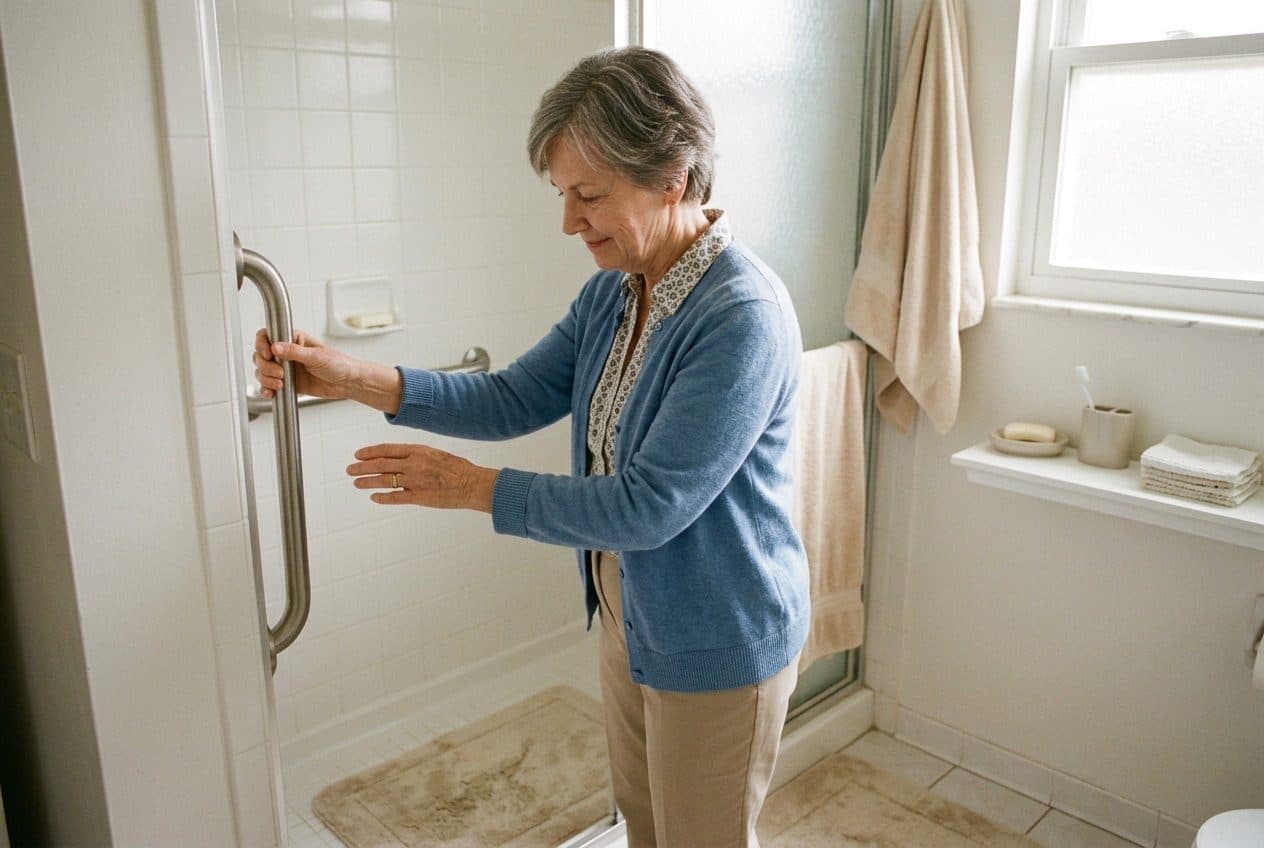
A woman in her 60s testing a new grab bar beside a walk-in shower

What should you change in the kitchen?

  • Everyday items between waist and shoulder height

  • Lever-style faucets

  • Good task lighting

What should you change in the bedroom?

  • A bedroom on the main floor, if possible

  • Night lights along the path to the bathroom

  • A bed at a comfortable height

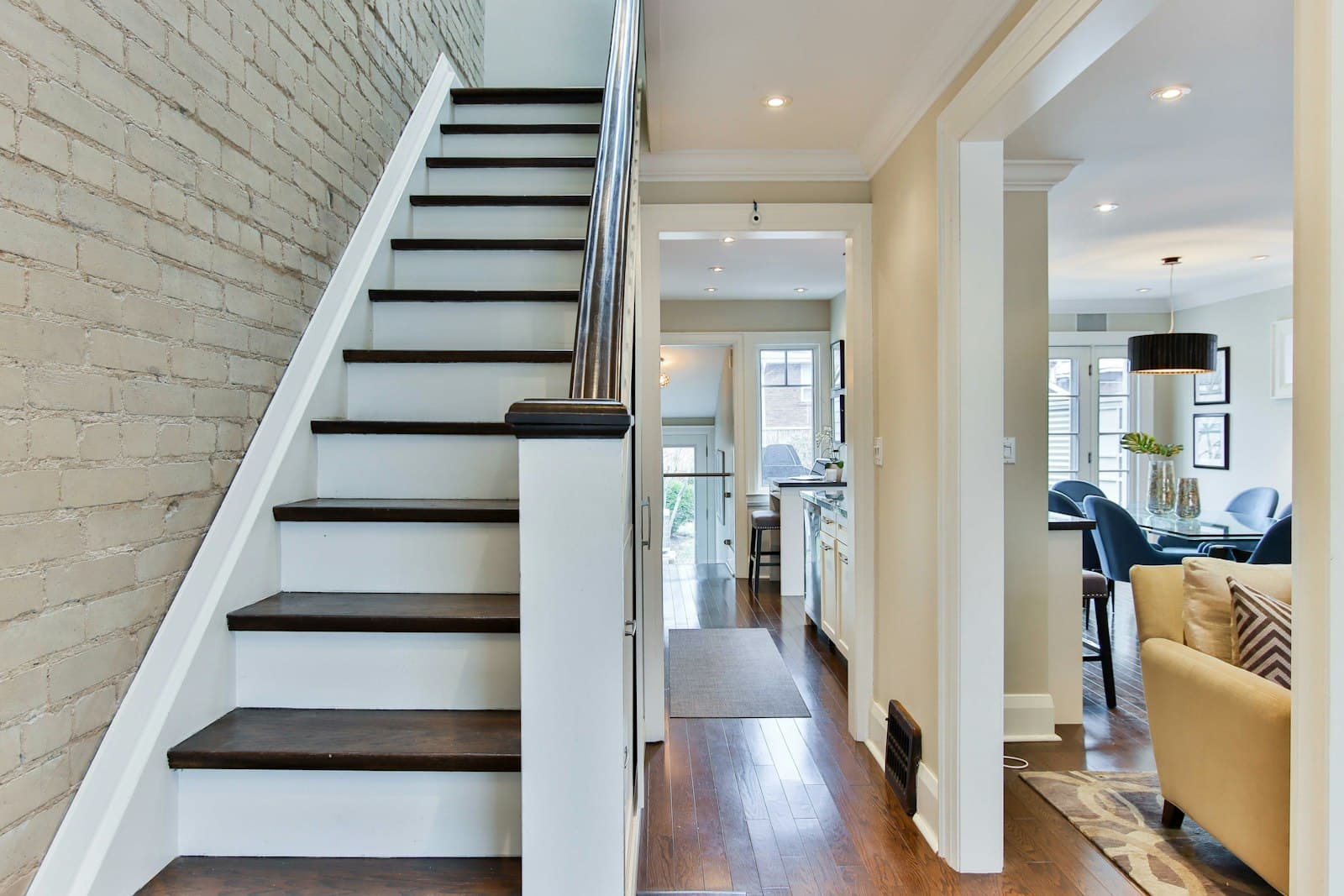
Bright hallway beside a staircase with a handrail, leading to a sunny dining area

What should you change on the stairs and in hallways?

  • Sturdy railings on both sides

  • Clear paths with no loose rugs

  • Light switches at the top and bottom

Where should you start?

Start with the bathroom, then lighting and stairs. An occupational therapist can do a home safety assessment, and contractors with aging-in-place training, like the National Association of Home Builders’ CAPS designation, can handle bigger changes.

What’s the other half of the plan?

Staying Power is a licensed insurance agency that helps people plan for aging in place, including how help at home gets paid for.

Home changes make staying possible. Paying for help makes it sustainable. Long-term care insurance pays a benefit toward help at home if you ever need it. Get started to see what care costs and how to fund it.

Related reading: Signs a Parent Needs More Help at Home, How Much Help at Home Do You Actually Need?, and Questions to Ask Before Hiring In-Home Care.

Frequently asked questions

Does Medicare pay for home modifications?

Original Medicare generally doesn’t cover home modifications like grab bars or ramps. It may cover some medical equipment, like walkers, when prescribed.

Which change matters most?

For most homes, the bathroom, because it’s where falls are common and fixes are straightforward.

Get more details about long-term care insurance

Sources

  • CDC: Older Adult Falls

About the author

Stephanie Cheney is the founder and CEO of Staying Power and a licensed insurance agent (OK License #3004465615 · TX License #3562695). She became a caregiver at 20 and saw firsthand what caregiving asks of a family: time, career, and money. After her father died, her mother bought long-term care insurance in her 50s. When brain surgery in her 60s left her mother needing full-time care, that coverage meant Stephanie could keep working and hire help when she was away. Her mother has lived with her for about 10 years. Stephanie started Staying Power to help people plan to stay in their own homes as they age, beginning with how they'll pay for care.

Disclosure

Staying Power is a licensed insurance agency. This article is intended to solicit insurance business and is provided for educational purposes only. It is not tax, legal, medical, or financial advice, and it is not a recommendation to purchase, an offer of coverage, or a quote. Long-term care insurance is subject to medical underwriting and is not available to everyone. Benefits, limitations, and exclusions vary by policy, carrier, and state. Medicare and Medicaid rules vary by state and change over time; see Medicare.gov and your state Medicaid agency for current details.

More in Living Well at Home

  • Questions to Ask Before Hiring In-Home Care

    What to ask a home care agency or independent caregiver before hiring: screening, training, costs, scheduling, and red flags.

  • Staying Connected as You Age

    Why social connection matters as you age, and practical ways to stay involved, find purpose, and get around when driving gets harder.

  • How Much Help at Home Do You Actually Need?

    The range of help at home, from a few hours a week to around the clock, what each level looks like, and what it costs.

Explore

AboutQuestions2026 Planning Report

Get started

Start your insurance plan

Contact

301 E Archer St, Tulsa, OK 74120

info@stayingpower.co

Staying Power is a licensed insurance agency. Insurance products are offered through licensed insurance agents and are issued and underwritten by third-party insurance companies. Products, features, and availability vary by state and are subject to underwriting approval. Individual care needs and expenses vary; no policy is guaranteed to cover the entire cost of care. Policy guarantees are backed by the claims-paying ability of the issuing insurer. Any values shown in interactive tools are illustrative only and do not constitute a quote, offer, or guarantee of coverage or benefits. This site provides general information and is not financial, legal, or tax advice.

Staying Power is not affiliated with or endorsed by any government agency. State license information is available on our license information page.

This website is intended to solicit insurance business.

Privacy noticeTerms and conditionsLicense information

© 2026 Staying Power